
Subterranean vs. Drywood Termites: Protecting Older Wood-Framed Homes in Whittier
Learn how to tell subterranean and drywood termites apart, spot early warning signs, and protect older wood-framed homes in Whittier, CA.
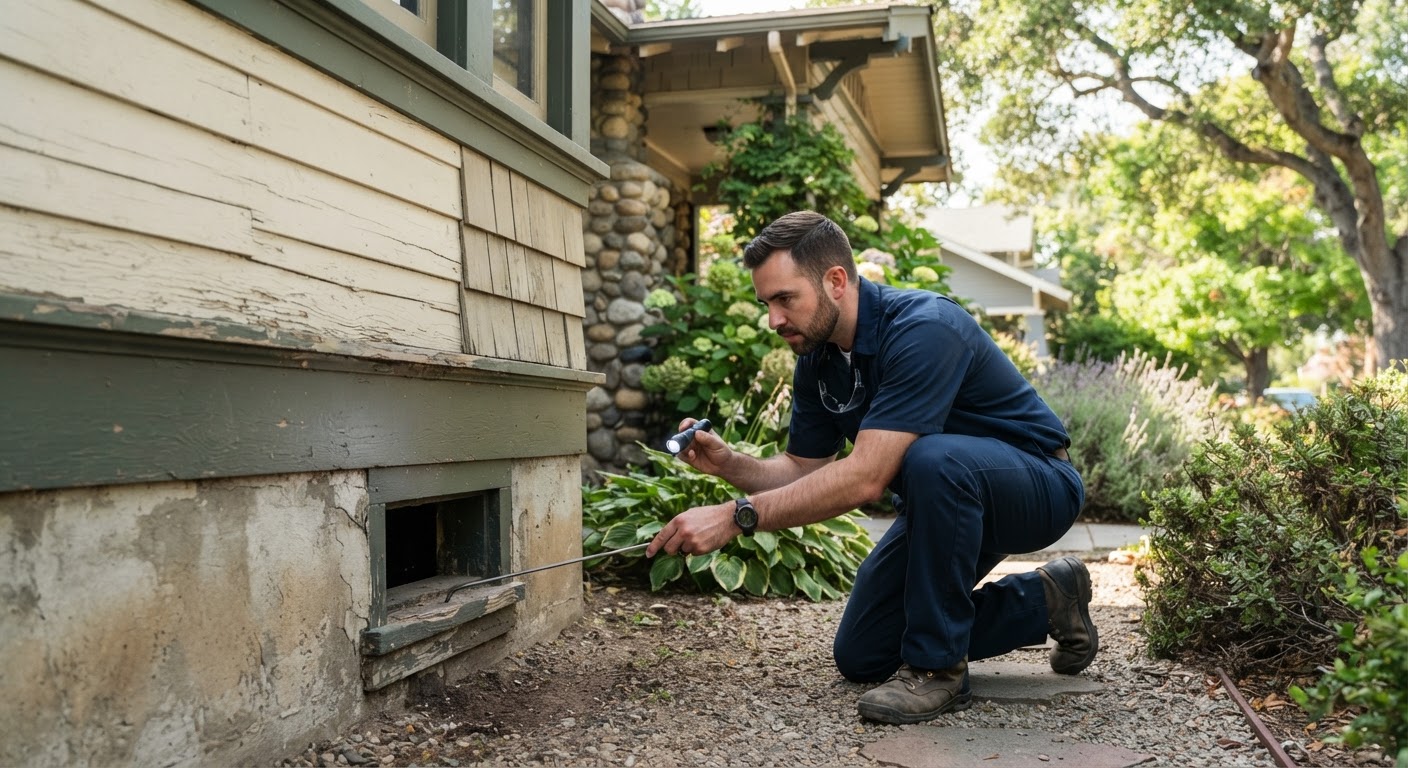
Whittier is known for its tree-lined streets and charming neighborhoods filled with Craftsman bungalows, Spanish-style residences, and mid-century wood-framed houses. While mature trees and classic timber architecture give these properties lasting character, aging wood structures also require steady upkeep to stay protected from wood-destroying insects. In Southern California, homeowners frequently deal with two distinct types of termites: subterranean termites and drywood termites. Knowing how these two pests behave, where they hide, and how to spot early warning signs is essential for preserving the structural integrity of an older home.
Why Older Wood-Framed Homes in Whittier Face Termite Pressure
Older homes in Whittier often feature extensive exposed wood, including roof rafters, fascia boards, porch supports, hardwood flooring, and raised pier-and-beam foundations. Over the decades, natural settling creates tiny cracks in concrete slabs, mortar joints, and exterior stucco. Combined with aging paint, weathered caulking, and lush residential landscaping, these small openings give termites easy pathways into structural lumber.
The local climate plays a role as well. Warm, dry summers and mild winters allow termite colonies to remain active throughout much of the year, with seasonal swarming events typically triggered by changes in temperature and humidity. Because subterranean and drywood termites thrive under very different conditions, a single property can even face pressure from both species at the same time.
Understanding Subterranean Termites
Subterranean termites live in large colonies beneath the soil surface. Unlike drywood species, they require steady moisture to survive and must maintain a connection to damp earth. From their underground nests, worker termites forage outward through the soil in search of cellulose found in framing lumber, subflooring, and wooden trim.
Because they cannot survive long in open, dry air, subterranean termites construct protective mud tubes out of soil, chewed wood, and saliva. These pencil-width tunnels shield the insects from sunlight, dry air, and predators as they travel from the ground up into a home. In older Whittier houses with crawl spaces or minor foundation cracks, these tubes often appear along concrete stem walls, wooden piers, or plumbing penetrations.
Common Signs of Subterranean Termites
- Mud tubes running up exterior foundations, interior garage walls, or crawl space supports.
- Wood damage that follows the soft grain of the timber, leaving a layered or honeycomb appearance filled with dried mud.
- Soft or spongy floorboards, sagging door frames, or trim that feels unusually brittle when tapped.
- Swarms of winged termites emerging indoors near baseboards or outdoors near damp soil, often leaving behind piles of discarded translucent wings.
Understanding Drywood Termites
Drywood termites operate very differently from their soil-dwelling relatives. As their name suggests, drywood termites do not need contact with the ground or an external moisture source. They get all the moisture they need directly from the dry, sound wood they consume and from their own metabolic processes.
Instead of traveling from the ground upward, drywood termites usually enter a home from the air during warm-weather swarms. Reproductive swarmers fly onto roofs, attics, wooden eaves, window frames, or porch railings, shed their wings, and burrow straight into exposed or unfinished wood. Because their entire colony lives inside the timber itself, infestations can go unnoticed for years inside attic rafters, wall studs, or even wooden furniture.
Common Signs of Drywood Termites
- Small piles of dry, sand-like fecal pellets called frass, which often resemble sawdust or fine coffee grounds near baseboards, windowsills, or beneath attic framing.
- Tiny kick-out holes in painted wood, drywall, or trim where termites push frass out of their galleries.
- Blistered, bubbling, or uneven paint on fascia boards, siding, or interior wood surfaces caused by termites tunneling just beneath the finish.
- Hollow-sounding wooden beams, rafters, or window sills when lightly tapped with a screwdriver handle.
Key Differences Between Subterranean and Drywood Termites
Telling these two termite types apart is more than a matter of curiosity. Because their biology and nesting habits differ so sharply, the strategy used to eliminate one species will not necessarily control the other. Misidentifying an infestation can allow hidden damage to continue spreading behind walls or beneath floors.
Nesting Location and Moisture Needs
Subterranean termites nest underground and travel upward into the home, relying on damp soil, leaking pipes, or poor yard drainage. Drywood termites nest entirely inside dry timber above ground, meaning even a home on a solid, dry concrete slab with no moisture issues remains vulnerable through roof vents, eaves, and unsealed trim.
Damage Patterns and Visual Clues
Subterranean termite galleries usually contain soil particles and follow the softer springwood grain, leaving harder wood layers intact. Drywood termites carve smooth, clean tunnels across both softwood and hardwood grain without any mud inside. Checking whether debris around damaged wood looks like dried dirt or clean, uniform pellets is one of the fastest ways to tell the two apart.
Practical Prevention Steps for Older Whittier Homes
While older wood-framed homes naturally attract termites, thoughtful maintenance makes a property far less inviting to foraging workers and flying swarmers. Focusing on moisture management, exterior sealing, and yard upkeep helps reduce risk year-round.
- Eliminate wood-to-soil contact around the exterior by keeping wooden siding, trellises, fence posts, and porch steps clear of garden beds and mulch.
- Fix plumbing leaks, dripping outdoor faucets, and clogged gutters promptly so moisture does not pool near the foundation or soak into eaves.
- Ensure sprinkler heads spray away from stucco walls, wooden trim, and crawl space vents.
- Seal cracks in concrete foundations, mortar joints, and gaps around utility pipes entering the home.
- Keep attic and crawl space vents covered with fine mesh screening to block flying drywood swarmers while maintaining steady airflow.
- Store firewood, scrap lumber, and cardboard boxes elevated off the ground and well away from exterior walls.
- Maintain a fresh coat of paint and intact caulking on exterior fascia boards, window frames, and wooden doors to reduce exposed entry points.
Targeted Termite Control and Ongoing Protection
Because both subterranean and drywood termites spend most of their lives hidden inside soil or timber, surface sprays from a hardware store rarely reach the heart of a colony. Spot-treating a few visible insects often pushes the colony to move deeper into walls or spread to another section of the house.
Thorough termite control starts with a careful inspection of the entire structure, from the crawl space and foundation perimeter to the attic framing and exterior trim. Once the species and the extent of the activity are identified, a targeted plan can be put in place. Subterranean termites are typically addressed through soil barriers or baiting systems designed to interrupt colony foraging, while drywood termites require localized wood treatments or whole-structure methods depending on how widespread the galleries are.
Regular preventive inspections are especially valuable for older Whittier homes, catching subtle warning signs like fresh frass or early mud tubes before major structural repairs become necessary.
If you have noticed blistered paint, unexplained wood pellets, mud tubes, or discarded wings around your Whittier home, Brevano Pest Control Services is ready to help. Contact Brevano Pest Control Services today to schedule a professional termite inspection and keep your wood-framed home protected for years to come.
Need help from Brevano Pest Control Services?
Contact our team to discuss your service needs in Whittier and surrounding service areas.